EcoWatt is a small device you plug into a wall socket. The seller says it stabilises the power in your home, filters "dirty electricity" and cuts most families' bills by 30–50 %. Consumer organisations have tested plug-in power savers of this kind and found no measurable savings – and, in several tests, safety failures. We have not tested EcoWatt itself. Here is what the seller claims, what the tests found, and what to check before you buy.
Advertisement: the button links to the seller's offer. We may earn a commission.
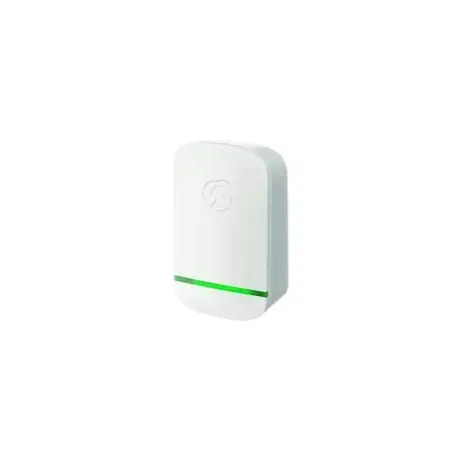
Left: statements from the EcoWatt order page (October 2026). Right: findings from consumer organisations that tested plug-in power savers. These tests covered the device category, not EcoWatt specifically.
| Seller claim | What independent sources say |
|---|---|
| "Most families save between 30 % and 50 % on their monthly power bills" | Which?, Electrical Safety First and Verbraucherzentrale NRW found no measurable savings from plug-in power savers. |
| Power-factor correction / "cleans dirty electricity" | Household meters bill active energy. Reactive power is generally not charged to private households (Verbraucherzentrale NRW). |
| "UL-certified safety" | No certificate number is shown. In UK tests, all eight plug-in savers bought online failed electrical safety standards (Which?, 2025). |
| "Helps appliances run longer" | We found no independent evidence for this. |
| "60-day 'Sure-Save' guarantee – lower your bill or pay nothing" | A seller promise. Check the conditions at checkout and keep your bills for comparison. |
Seller statements are quoted from the order page and are not our claims.
You don't need an engineering degree – three points explain the test results.
Your meter records kilowatt-hours of active (real) energy. That is what your fridge, oven and TV actually use, and a box in another socket does not change it.
Power-factor correction reduces reactive power. Large businesses can be charged for that – private households in the UK and EU generally are not.
When Verbraucherzentrale NRW opened such devices, they found a surge protector, an LED and a functionless block. The LED itself draws a little electricity.
Summaries of published tests and warnings on plug-in energy-saving devices.
Tested eight plug-in "energy-saving" devices bought from major online marketplaces: no evidence of savings, and all eight failed UK electrical safety standards – including undersized pins and missing fuses.
The charity reports that manufacturers' energy-saving claims were shown to be unjustified in its testing, with hazardous safety failures in the products tested.
Calls plug-in power-saving boxes completely ineffective for private households and refers to warnings from the German Federal Network Agency.
Switching tariff or supplier often saves more than any gadget.
A plug-in energy meter shows what each appliance really uses. Old fridges and freezers, tumble dryers and electric heaters are frequent culprits.
Switchable power strips stop TVs, consoles and chargers drawing power when not in use.
LED bulbs use a fraction of the electricity of old bulbs.
The order page offers single units and multi-packs with a "Sure-Save" guarantee. If you order, read the guarantee conditions and keep your bills from before and after.
The seller offers packs of one to four devices. One device is meant to be plugged in near the fuse box.
"Lower your bill or pay nothing" – check how a refund is requested and whether return shipping is charged.
The order page names NH Discounts LLC, Salem, New Hampshire, USA. Allow for shipping times and possible customs charges.
Check the EcoWatt offer at the seller
Advertisement: the link goes to the seller. We may earn a commission – the price is not affected.
We have not tested EcoWatt itself. Consumer organisations that tested plug-in power savers – Which?, Electrical Safety First and Verbraucherzentrale NRW – found no measurable savings, and the physics of household billing explains why.
We can't judge the seller's intentions. What we can say: the advertised 30–50 % savings are not supported by independent tests of this device type, and the seller's safety and customer claims are not documented.
We could not verify a safety certificate for EcoWatt. In UK tests, every plug-in saver bought online failed electrical safety standards. Check the markings and the plug before you use any such device.
It reduces reactive power – power that flows back and forth in the grid without doing useful work. Businesses can be billed for it; private households in the UK and EU generally are not, so correcting it does not lower a home electricity bill.
The English order page names NH Discounts LLC, Salem, New Hampshire, USA. We do not sell the product – we link to the seller's offer and may earn a commission.
The seller advertises a 60-day guarantee. The conditions are on the order page and in the seller's terms. Your statutory consumer rights apply regardless.
We cannot recommend EcoWatt as a way to lower your electricity bill.
Our assessment: the savings EcoWatt advertises are not supported by independent evidence for this type of device. If you want to lower your bill, start with your tariff and your biggest appliances. We have not tested EcoWatt ourselves; seller statements come from the seller's order page.

Purchase, payment, delivery and returns are handled entirely by the seller. Read the guarantee conditions before you order and keep your electricity bills from before and after. Your statutory consumer rights towards the seller apply regardless.

If you want to check the offer and guarantee conditions yourself, the button takes you to the seller's order page.
See the EcoWatt offer at the seller
You will be taken to the seller's website. We may earn a commission on purchases made through the link.